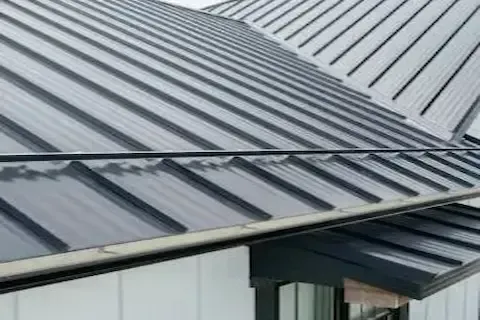
Standing Seam Metal Roof Install Window Anoka County
Standing seam metal roof installation in Anoka County works within a defined seasonal window. The practical install period runs from late April through late October — roughly when overnight temperatures stay consistently above freezing and before hard frost returns. Most contractors book spring slots first, then fill in summer and early fall. If you miss the window, you wait until next season. Understanding the local climate timeline helps you plan your project around it rather than against it.
Why Does Season Matter for Standing Seam Installation?
Metal panels expand and contract with temperature. During a standing seam installation, panels are measured, cut, and seamed with precision tolerances. When temperatures drop below freezing, metal contracts significantly — and if panels are installed and seamed in extreme cold, they may expand in warmer months in ways that stress the seams or create gaps at fastener points. Sealants and underlayment adhesives also require minimum temperature thresholds to cure and bond correctly. In Anoka County, where January lows regularly fall below 10°F, cold-season installs carry real risk of performance failure.
When Does the Install Window Open in Anoka County?
Late April is typically when conditions stabilize enough for standing seam work across Anoka County municipalities like Coon Rapids, Andover, and Blaine. By that point, overnight lows have generally climbed above 32°F and the ground has thawed enough for safe staging and equipment access. Some years the window opens in mid-April; others, persistent late-season cold pushes it toward May. Watching a 10-day forecast matters more than chasing a calendar date. Contractors monitoring local conditions — not just a general schedule — make the call.
What Happens During Peak Season Months?
May through August represents the highest-demand stretch for Metal Roofing Installation crews in the area. Longer daylight hours mean more productive workdays, and stable warm temperatures support clean seaming and underlayment adhesion. However, this is also when backlogs build fastest. Homeowners who schedule in March or early April often lock in May or June start dates. Those who wait until June to call may find themselves pushed to August or September — still within the window, but with less schedule flexibility if weather delays occur.
How Does Late Summer and Fall Affect Scheduling?
September and October remain viable months for standing seam installation in Anoka County. Temperatures are still workable, and many crews prefer fall for its cooler working conditions. The risk appears in October: a cold snap can arrive faster than forecasts predict in the northern metro. If your install is mid-October and temps drop hard, your crew may need to pause until conditions improve. Most experienced contractors build buffer days into fall schedules specifically for this reason. A project that starts October 1 usually has a better outcome than one starting October 20.
What Closes the Install Window?
The window closes when sustained overnight lows begin hitting freezing consistently — typically mid-to-late November in Anoka County, though some years it arrives in late October. At that point, sealant performance becomes unreliable, panel handling in frozen conditions increases error risk, and safety on steep-pitch roofs drops significantly when frost or snow is present. If a project is mid-install when the window closes, crews may complete flashing and waterproofing to protect the structure and finish seaming the following spring. This is rare but happens when scheduling slips late in the season.
How Should You Plan Around the Seasonal Window?
The most effective approach is to treat the off-season as your planning season. Winter months — January through March — are when you get estimates, compare materials, review contractor credentials, and finalize your contract. Before signing anything, it helps to compare costs with alternative systems; a review of metal versus asphalt cost compare can clarify whether standing seam fits your budget relative to other long-term options. Locking in a spring slot during winter gives you first access to the most desirable scheduling windows and avoids the mid-summer backlog entirely.
Are There Any Exceptions to the Seasonal Rule?
Emergency situations — storm damage, structural compromise, active leaks — can require partial or full roof replacement regardless of season. In those cases, temporary protective measures like tarping or emergency flashing are installed first, with permanent standing seam installation scheduled for the next viable window. Some contractors in Anoka County do complete installations in late fall or early winter on a case-by-case basis, evaluating conditions daily. These situations require more labor hours and careful quality control, which typically increases cost. They are the exception, not the standard scheduling path.
What Should You Ask a Contractor Before Booking?
When you contact a roofing contractor for a standing seam project in Anoka County, ask specifically about their temperature minimums for installation, how they handle weather delays in late-season contracts, and what their cancellation or rescheduling policy looks like. Contractors with local experience in communities like Coon Rapids and Fridley will have clear answers because they've managed the Anoka County climate for multiple seasons. Vague answers about "weather permitting" without specifics should prompt follow-up questions before you commit.
