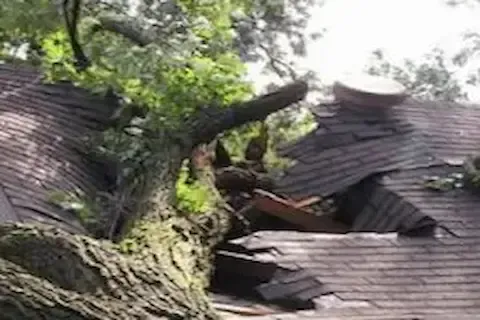
Coon Rapids Storm Damage Roof Repair After Wind Hail
Storm damage to your roof can happen in minutes but create months of problems if not addressed properly. When severe weather strikes Coon Rapids, your roof faces multiple threats from high winds that can lift shingles, hail that bruises and cracks roofing materials, and driving rain that finds every weakness in your home's protective barrier. Understanding how to identify storm damage and respond quickly can mean the difference between a simple repair and extensive water damage throughout your home.
Types of Storm Damage Common in Coon Rapids
Coon Rapids experiences intense weather patterns that create specific challenges for residential roofing systems. Spring and summer storms bring powerful wind gusts that can reach 60-80 mph, easily lifting asphalt shingles and exposing the underlayment beneath. These winds don't just remove shingles entirely - they often create partial lifts that allow water penetration while making the damage less obvious from ground level.
Hail damage presents another significant threat to Coon Rapids homes. Minnesota's geographical position makes it particularly susceptible to supercell thunderstorms that produce large hail stones. Even golf ball-sized hail can create granule loss on asphalt shingles, exposing the mat underneath to UV degradation and accelerated aging. Larger hail stones crack shingles outright, creating immediate leak points that require emergency attention.
Wind-driven debris adds complexity to storm damage scenarios. Fallen tree limbs, loose gutters, and airborne objects can puncture roofing materials or create impact damage that compromises the roof's structural integrity. Storm Damage Roof Repair becomes essential when these multiple damage types combine during a single weather event.
Ice dams represent a unique form of storm damage that affects many Coon Rapids homes during winter months. When heavy snow combines with temperature fluctuations, ice dams form along roof edges, backing water up under shingles and creating interior leaks that may not become apparent until spring thaw.
Immediate Response After Storm Events
Your first priority after any severe weather event should be ensuring family safety before attempting any roof inspection. Never climb onto a wet or damaged roof, especially during continued poor weather conditions. From ground level, use binoculars to examine your roofline for obvious damage like missing shingles, exposed underlayment, or debris accumulation.
Document everything you observe with photographs taken from multiple angles. Insurance companies require detailed documentation of storm damage, and having comprehensive photo evidence from the day of the storm strengthens your claim significantly. Include wide shots that show the overall roof condition and close-up images of specific damage areas.
If you discover active leaks, implement temporary protection measures immediately. Place buckets or tarps to catch dripping water and prevent interior damage while you arrange for professional assessment. However, avoid attempting temporary roof repairs yourself - improper tarping or patching can create additional damage and potentially void insurance coverage.
Contact your insurance company within 24-48 hours of discovering damage. Most policies require prompt notification of storm damage claims, and delays can complicate the approval process. Request an adjuster inspection as soon as possible, particularly during busy storm seasons when scheduling delays are common.
Professional Storm Damage Assessment Process
Professional roofing contractors trained in storm damage assessment follow systematic inspection protocols that ensure no damage goes undetected. They examine not just the obvious impact points but also subtle indicators like granule patterns in gutters, nail pops caused by thermal expansion during temperature swings, and seal failures around flashing and penetrations.
Experienced contractors understand how different roofing materials respond to various storm conditions. They know that architectural shingles may show bruising differently than three-tab shingles, and that metal roofing develops distinctive dent patterns that indicate hail size and impact velocity. This expertise proves invaluable during insurance claim processes.
The assessment includes evaluation of gutters, downspouts, and exterior trim that often sustains collateral damage during severe weather events. Hail frequently damages these components simultaneously with roofing materials, and comprehensive documentation ensures complete restoration coverage under your insurance policy.
Professional assessors also examine attic spaces for signs of water intrusion that may not yet be visible in living areas. They look for water stains on decking, insulation damage, and compromised vapor barriers that could lead to mold growth if not addressed promptly.
Insurance Claim Navigation for Storm Damage
Working with insurance adjusters requires understanding their evaluation criteria and documentation requirements. Most adjusters use standardized testing methods to assess hail damage, including the quarter test for impact visibility and granule displacement measurements. Having a professional contractor present during adjuster inspections helps ensure thorough evaluation of all damage.
Insurance companies often initially approve only partial repairs, particularly when storm damage combines with existing wear issues. Understanding your policy's actual cash value versus replacement cost provisions affects your out-of-pocket expenses and repair timeline significantly. Many Coon Rapids homeowners discover that depreciation holdbacks delay full payment until repairs are completed.
Supplemental claims become necessary when hidden damage emerges during repair work. Professional contractors document these discoveries with additional photographs and detailed explanations for insurance review. 1983-era roof replacement coverage may require special consideration when storm damage affects older roofing systems with discontinued materials.
Code upgrade requirements often apply to storm damage repairs, particularly when local building codes have changed since your roof's original installation. Understanding these requirements before beginning repairs prevents costly delays and ensures compliance with Anoka County building standards.
Emergency Repairs vs. Complete Restoration
Determining whether storm damage requires emergency patching or complete replacement depends on several factors including damage extent, roof age, and safety considerations. Emergency repairs focus on preventing further water intrusion while permanent solutions are planned and scheduled.
Temporary repairs should always be performed by experienced professionals using proper materials and techniques. Improper emergency work can create additional damage and complicate permanent repair efforts. Professional contractors understand which temporary measures provide effective protection without interfering with subsequent restoration work.
Complete roof replacement becomes necessary when storm damage affects a significant percentage of the roof surface or when structural damage compromises the roof's integrity. Insurance companies typically consider replacement when damage exceeds certain thresholds, usually 25-30% of the total roof area.
Material availability affects repair timelines, particularly after widespread storm events when multiple homes require similar materials simultaneously. Planning for potential delays and coordinating material orders early in the process helps minimize extended exposure to weather elements.
Preventing Future Storm Damage
While no roofing system can withstand extreme weather indefinitely, certain improvements can significantly increase storm resistance. Impact-resistant shingles designed to withstand larger hail stones may qualify for insurance discounts while providing superior protection during severe weather events.
Proper attic ventilation reduces thermal stress that makes shingles more susceptible to wind lift and hail damage. Adequate ventilation maintains consistent temperatures across the roof surface, reducing expansion and contraction cycles that weaken fastener connections over time.
Regular maintenance inspections identify vulnerable areas before storm season arrives. Loose or missing shingles, damaged flashing, and compromised seals around penetrations create weak points that fail quickly during severe weather. Addressing these issues proactively prevents minor problems from becoming major damage.
Tree trimming around your Coon Rapids home reduces debris impact risks during windstorms. Overhanging branches that might seem harmless in calm weather become projectiles during severe storms, potentially causing punctures or impact damage that requires extensive repairs.
Working with Local Coon Rapids Contractors
Choosing contractors familiar with Coon Rapids' specific weather patterns and building codes ensures repairs meet local standards and address regional concerns effectively. Local contractors understand how Minnesota's freeze-thaw cycles affect roofing materials and can recommend appropriate solutions for long-term durability.
Storm chasing contractors who arrive immediately after severe weather events often lack proper licensing and insurance coverage required for work in Anoka County. Verify contractor credentials through state licensing boards and ensure they carry adequate liability insurance before allowing any work to begin on your property.
Established local contractors maintain relationships with material suppliers that can expedite repairs during busy periods following widespread storm damage. They also understand local permit requirements and inspection processes that may apply to storm damage repairs in Coon Rapids residential areas.
References from recent storm damage projects provide insight into contractor reliability and quality standards. Ask for examples of similar repair work completed in your neighborhood and contact previous customers to verify satisfaction with both workmanship and communication throughout the repair process.
Long-term Considerations for Storm-Damaged Roofs
Even after professional repairs are completed, storm-damaged roofs require ongoing monitoring for signs of developing problems. Water intrusion during the period between damage occurrence and repair completion can create hidden issues that emerge months later as stains, mold growth, or structural deterioration.
Documentation of all storm damage and subsequent repairs should be maintained for future reference. This information proves valuable during home sales, future insurance claims, and warranty issues that may arise with repair work. Comprehensive records also help track your roof's service history for maintenance planning purposes.
Climate change patterns suggest that severe weather events may become more frequent and intense in coming years. Consider this trend when making material selections and design decisions for storm damage repairs. Investing in higher-grade materials and improved installation techniques provides better long-term value despite higher initial costs.
Regular post-storm inspections should become routine practice following any severe weather event, even if no obvious damage is immediately apparent. Early detection of developing problems allows for proactive repairs that prevent extensive damage and maintain your roof's protective performance throughout its service life.
