
Fridley's River-Corridor Housing Stock and When Roofs Give Out
What Fridley's Mid-Century Housing Inventory Looks Like at Tearoff
Properties in Fridley carry some of the oldest residential roofing challenges in the Anoka County service area. A significant portion of Fridley's housing inventory dates from the 1950s and 1960s — structures that predate the 1983 Coon Rapids median vintage by two to three decades and have been through roofing cycles that most newer suburban markets have not experienced. Third-cycle replacement work on these structures is not unusual, and the conditions discovered at tearoff on a 1960s Fridley ranch are categorically different from what appears on a 1990s colonial in a newer suburb. Decking boards from this era are often original — true-dimension lumber in some cases, early plywood in others — and their condition depends entirely on the quality of the roofing systems installed above them over the previous 60 years. Flashing at chimneys and pipe penetrations on Fridley homes of this vintage has frequently been repaired incrementally rather than replaced systematically, creating an assembly of mixed materials and installation vintages that needs to be evaluated as a unit. The Mississippi River corridor along Fridley's western edge creates humidity and moisture exposure patterns that affect roofing systems differently than in drier inland suburbs, and that moisture history shows up in the condition of decking, underlayment, and flashing on properties that have been through multiple ownership and repair cycles over six decades.
Third-Cycle Decisions and Decking Realities on Fridley Properties
The ownership reality for Fridley homeowners approaching a replacement decision on a mid-century property involves more than a straightforward shingle swap. Structures in this age range require a full diagnostic before any scope can be written with confidence, because the prior repair history — what was done, when, and by whom — is rarely fully documented and almost never fully visible from a surface inspection. A pipe boot installed in 2003 may be failing at the same time as step flashing that dates from the 1980s and original valley metal that was never replaced through either of the two prior cycles. Finding and addressing all of these conditions in a single project scope is the only way to avoid the maintenance cycle where a new roof system fails early because the components underneath were not evaluated before installation. Anoka County's hail frequency adds an insurance dimension to every Fridley replacement decision — the question is not just what the roof needs, but what prior storm events may have contributed to its current condition and whether any of that damage qualifies for a current claim. We assess the full system before writing any Fridley replacement scope, document conditions with photos, and provide a written recommendation that reflects what the structure actually needs rather than what is fastest to sell.
Third-Cycle Replacement Work on Fridley's Older Residential Properties
Roof replacement on a 1950s or 1960s Fridley home requires a commitment to the full diagnostic process before any scope gets written. Tearoff on these structures exposes conditions that vary widely depending on what has happened to the roof over six decades — original wood board decking that is solid and tight in some cases, or decking that has accumulated moisture from two prior cycles and now shows soft spots across multiple sections. Original underlayment in these systems is often paper-based and long past any protective function. Metal components — drip edge, valley, step flashing — are frequently at or past their replacement window, whether or not they are showing obvious failure symptoms on the day of inspection. All decking conditions are documented with photos before the roof is closed, and findings are reviewed with the homeowner before proceeding with any additional scope items. Anoka County permitting is handled before the project starts, and the post-installation inspection is scheduled as part of the same process. Class 4 impact-resistant shingles are the material recommendation for Fridley properties — the insurance premium reduction qualification and improved granule retention through freeze-thaw conditions make them the logical choice for a structure that has decades of remaining useful life and sits squarely in Anoka County's hail corridor. The investment in the right material at this replacement point is more cost-effective than installing standard shingles that will need reassessment in another 20 years under the same storm exposure profile.
Hail Damage, Insurance Claims, and Storm History on Fridley Roofs
Fridley properties in the Anoka County hail corridor have accumulated storm event histories over decades of ownership, and many have had at least one insurance claim at some point in the last 20 to 30 years. The challenge for Fridley homeowners approaching a replacement decision is separating the normal wear of a 60-year-old system from storm-related damage that could support a current claim — and understanding that those two conditions are not mutually exclusive. Adjusters evaluating aging Fridley structures sometimes use the age and general wear of the system to minimize payouts on legitimate storm damage to specific components. Having independent contractor documentation of the condition before the adjuster arrives is the most effective protection against that outcome. We inspect Fridley properties before adjuster visits, document the condition of shingles, flashing, gutters, and downspouts independently, and attend adjuster meetings when the homeowner requests contractor presence at the site. On Fridley's older structures, the documentation process is especially important because the system's overall age creates ambiguity that an experienced adjuster will use if the opportunity is present. Storm chasers activate in Fridley after hail events the same way they do across the metro — verify any contractor's Minnesota license and confirm actual Anoka County project history before the first document gets signed.
Ventilation Deficiencies and Ice Dam Patterns in Fridley's Mid-Century Homes
Fridley's 1950s and 1960s housing stock represents the oldest residential construction in the Anoka County market, and the ventilation configurations in these structures reflect an era before balanced intake and exhaust ventilation was codified in Minnesota residential building requirements. Attic assemblies in this vintage frequently have undersized or functionally blocked soffit intake, no continuous ridge exhaust, and insulation configurations that were applied over original vent paths during subsequent energy upgrades, effectively eliminating the intake function. The result is a warm deck condition that accelerates shingle deterioration across the full roof surface and generates the ice dam formation that is particularly damaging on the lower-pitch and flat-section profiles common in mid-century Fridley ranch construction. Ice dams on these profiles force water under shingles at the eave, where the low pitch provides no drainage assist, saturating the original decking and eventually entering the interior. Replacing shingles on a Fridley home without addressing ventilation is a project that inherits the same failure conditions from day one. Ventilation is assessed on every Fridley replacement project and brought into current Minnesota Building Code compliance as part of the scope — continuous ridge vent, soffit intake clearance verification, and documentation of net free ventilation area before and after. The correction is far less expensive done alongside replacement than it is as a separate service call on a completed roof.
Comprehensive Residential Roofing Services in Coon Rapids
Tailored to Your Needs

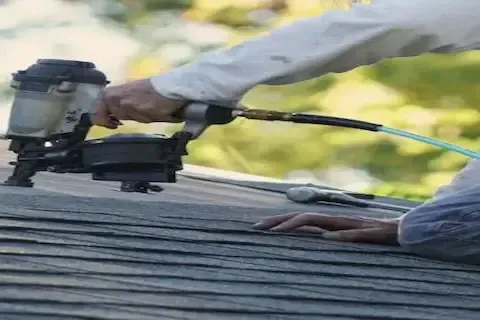
Full roof replacement for Coon Rapids homes including decking inspection, Anoka County permitting, and same-day completion on most residential profiles.
Targeted roof repairs for 1983-era Coon Rapids homes — flashing failures, pipe boot replacements, and missing shingle restoration done right the first time.
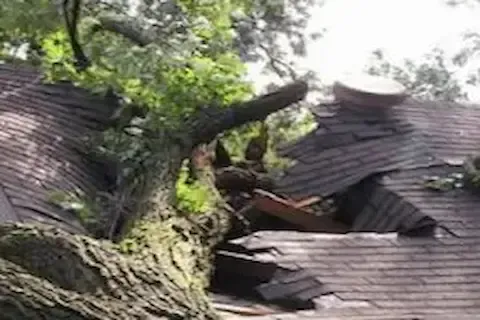
Hail and wind damage repair with full Anoka County insurance claim support from initial documentation through adjuster sign-off and completed repairs.
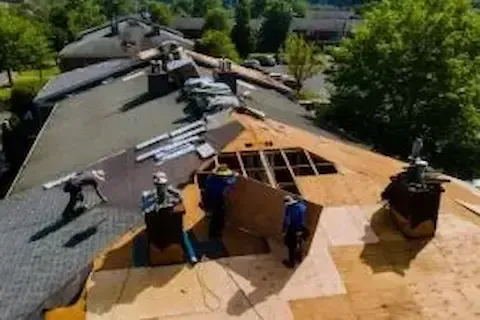
HOA-coordinated roof replacement for Coon Rapids townhomes and duplexes including shared-wall tearoff sequencing and multi-unit scheduling across Anoka County.
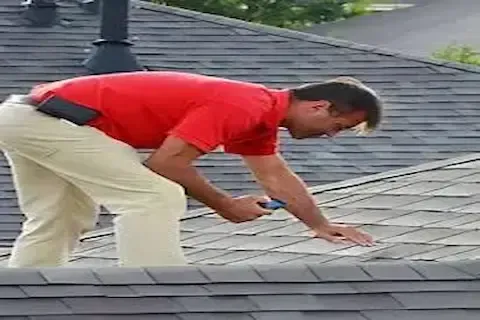
Detailed roof inspections for aging Coon Rapids homes with written condition reports, decking assessment, and honest replacement versus repair recommendations.
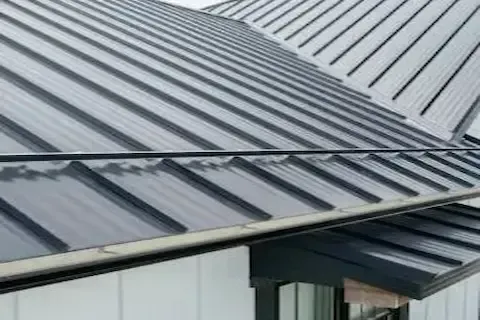
Standing seam and metal panel roofing installation for Coon Rapids homeowners seeking a permanent 50-year solution for their 1983-era home in Anoka County.
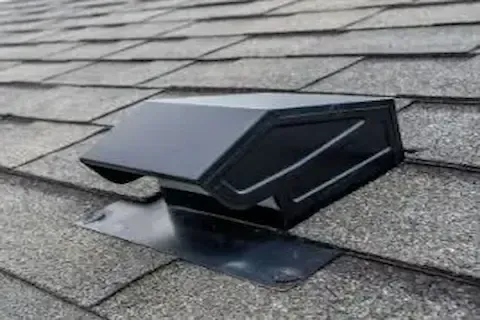
Attic ventilation upgrades to Anoka County code standards addressing the pre-energy-code deficiencies common in 1983-era Coon Rapids residential construction.
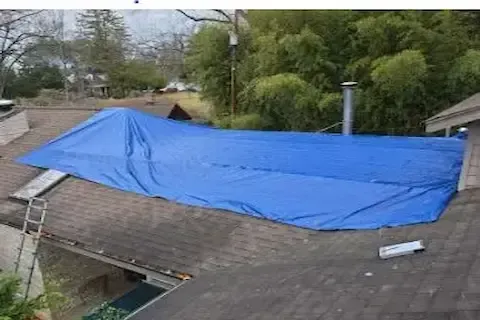
Same-day emergency roof response in Coon Rapids — active leak tarping, breach documentation, and permanent repair scheduling within 24 hours of first contact.
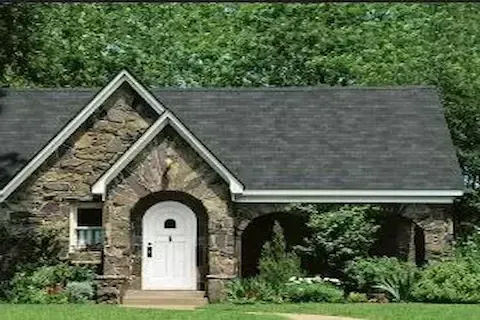
Class 4 impact shingle installations for Coon Rapids homeowners in Anoka County's hail corridor with insurance premium reduction guidance included in every estimate.
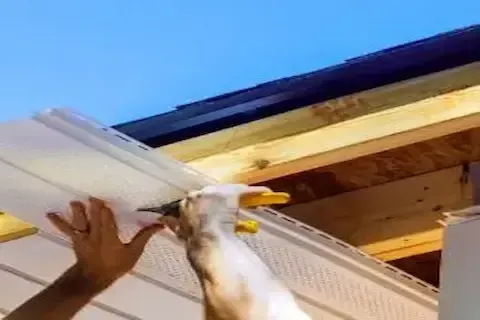
Soffit and fascia replacement for aging Coon Rapids homes coordinated with roof replacement or completed as a standalone exterior upgrade across Anoka County.
Frequently Asked Questions
Residential Roofing can be complex, and we’re here to provide answers to common questions. Here are some frequently asked questions from our clients.
Frequently Asked Questions about Roof Replacement Coon Rapids MN
How do I know if my Coon Rapids home needs full roof replacement or just repair?
Most Coon Rapids homes built in 1983 are entering their second roofing cycle. Signs you need replacement over repair include widespread granule loss in gutters, sagging sections, multiple active leaks, and soft decking that flexes underfoot. If your roof is 25 years or older, full replacement almost always delivers better long-term value than continued patching.
How much does roof replacement cost in Coon Rapids MN?
Roof replacement in Coon Rapids typically runs $8,000 to $18,000 for a standard single-family home, depending on square footage, pitch, and material. Homes from 1983 often need decking repairs at tearoff, which adds cost but protects the new system. Class 4 impact shingles cost more upfront but Anoka County insurance premium reductions often offset the upgrade within five to eight years.
How long does a roof replacement take in Coon Rapids?
Most Coon Rapids roof replacements complete in one full day on the ranch and split-level profiles common to 1983-era construction. Larger or steeper roofs may run into a second morning. We pull the Anoka County permit before the project starts and schedule the final inspection after installation so there are no hold-ups waiting on the county office.
Does homeowners insurance cover roof replacement in Anoka County?
Anoka County homeowners insurance covers sudden storm damage from hail, wind, and falling debris but does not cover replacement from age or wear alone. If your roof was hit in a recent storm, document with photos before any temporary work and contact us before signing anything with a storm chaser. We work directly with Minnesota adjusters and attend adjuster site visits when requested.
What roofing materials work best for Minnesota winters in Coon Rapids?
For Minnesota freeze-thaw cycles, Class 4 impact-resistant asphalt shingles are the baseline recommendation for Coon Rapids homes. They carry the highest hail resistance rating, qualify for Anoka County insurer premium reductions, and are available through GAF and Owens Corning certified programs. Standing seam metal is the right choice for homeowners who want a 50-year permanent solution after a first asphalt cycle.
How do I choose a trustworthy roofing contractor in Coon Rapids?
Look for contractors with verifiable Anoka County project history. Confirm a current Minnesota license, GAF or Owens Corning credentials, and reviews that mention specific Coon Rapids neighborhoods. Avoid storm chasers who appear after hail events with high-pressure timelines. A legitimate contractor provides a written estimate, permit information, and manufacturer warranty details before requesting any deposit.
Need Residential Roofing?
What Our Satisfied Clients Have to Say About Coon Rapids Roofing Pros
We pride ourselves on delivering great results and experiences for each client. Hear directly from home and business owners who’ve trusted us with their Residential Roofing needs.

Our 1983 ranch in Coon Rapids had soft decking we never knew about. The crew documented everything with photos before closing the roof. No surprises on the final bill. Honest operation.
Mark Lindstrom
After the hail storm last June, I had three companies knock on my door. These were the only ones without pressure tactics, who attended my adjuster meeting, and got the full replacement covered by insurance.
Karen Olson
Called about a leak on a Friday afternoon. They had someone out same day, tarped the breach, and had permanent repair scheduled before the weekend was over. A Coon Rapids crew that actually answers the phone.
Dave Paulson
The Trusted Residential Roofing Expert Near You
Ready to hear more about expert services at Coon Rapids Roofing Pros?
Contact us today to receive a detailed, no-obligation quote.

Serving Coon Rapids, MN & the Twin Cities metro
Monday-Friday: 9am-5pm, Saturday: 11am-3pm
