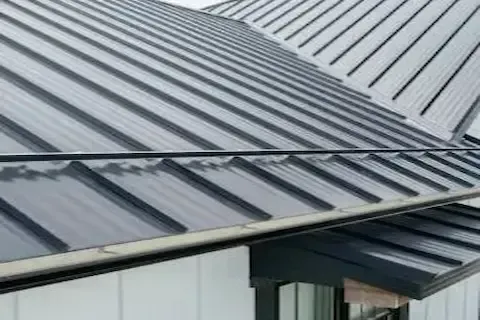
Metal Roofing Installation for Coon Rapids MN Homes
Metal roofing installation transforms Coon Rapids homes with exceptional durability and performance advantages that align perfectly with Minnesota's challenging climate conditions. Your home's roofing system faces unique stresses from heavy snow loads, ice dam formation, and severe weather events that require materials engineered for long-term reliability. Metal roofing systems deliver proven solutions for these regional challenges while providing energy efficiency benefits and distinctive aesthetic appeal that enhances property values throughout Anoka County neighborhoods.
Understanding Metal Roofing Systems for Minnesota Homes
Standing seam metal roofing represents the premium choice for residential installations, featuring interlocking panels that create weatherproof seals without exposed fasteners. These systems expand and contract naturally with temperature fluctuations, preventing the thermal stress that damages traditional roofing materials. The raised seams direct water flow efficiently while accommodating snow load requirements specific to Minnesota building codes.
Metal roofing materials include steel, aluminum, copper, and zinc alloys, each offering distinct advantages for different applications. Steel roofing provides exceptional strength and cost-effectiveness, while aluminum offers superior corrosion resistance in coastal or high-moisture environments. Copper develops attractive patina over time and delivers centuries of service life, making it ideal for historic home renovations or premium installations.
Installation complexity varies significantly based on roof geometry, existing structural conditions, and chosen metal roofing system. Simple gable roofs accommodate straightforward installation processes, while complex rooflines with multiple valleys, dormers, or architectural features require specialized techniques and experienced installation teams.
Climate-Specific Benefits for Coon Rapids Properties
Snow shedding capabilities make metal roofing particularly valuable for Coon Rapids homes, where annual snowfall averages exceed 50 inches. The smooth surface and heat conduction properties of metal panels encourage natural snow release, reducing structural loads and minimizing ice dam formation that commonly affects asphalt shingle installations.
Hail resistance provides crucial protection during severe weather events that frequently impact the Twin Cities metropolitan area. Metal roofing systems maintain structural integrity and appearance through hailstorms that would require complete replacement of traditional roofing materials. This resilience translates to lower insurance claims and reduced long-term maintenance costs.
Energy efficiency improvements result from metal roofing's reflective properties and thermal performance characteristics. Cool roofing technologies reduce heat absorption during summer months, lowering air conditioning costs while maintaining comfortable indoor temperatures. Proper installation includes thermal barriers that enhance insulation performance year-round.
Installation Process and Technical Considerations
Structural assessment begins every metal roofing project, evaluating load-bearing capacity, decking conditions, and existing ventilation systems. Metal roofing adds minimal weight compared to other premium materials, but proper engineering ensures optimal performance and code compliance. Existing roof removal may be necessary depending on current material conditions and local building requirements.
Underlayment installation creates the critical moisture barrier beneath metal panels, using high-performance synthetic materials that provide backup protection against wind-driven rain or ice dam infiltration. Proper underlayment selection and installation techniques prevent moisture intrusion that could compromise structural components or indoor air quality.
Panel installation follows manufacturer specifications for fastening patterns, thermal expansion accommodation, and seam formation. Professional installers use specialized tools and techniques to ensure consistent panel alignment, proper fastener placement, and weatherproof seam creation. Quality installation directly impacts system longevity and warranty coverage.
Metal Roofing Installation requires coordination with ventilation upgrades, gutter modifications, and flashing details that integrate seamlessly with metal panel systems. These components work together to create comprehensive weather protection and optimal system performance.
Common Installation Challenges and Solutions
Thermal expansion management addresses one of the most critical aspects of metal roofing performance. Improper fastening techniques or inadequate expansion accommodation leads to panel buckling, fastener failure, or seam separation. Professional installers use floating fastener systems and expansion joints that allow natural material movement without compromising weather resistance.
Flashing integration requires specialized techniques for metal roofing systems, particularly around chimneys, skylights, and roof penetrations. Standard flashing methods used with asphalt shingles often prove inadequate for metal installations. Custom-fabricated flashing components and proper sealant selection ensure long-term leak prevention.
Condensation control becomes more critical with metal roofing installations due to thermal conductivity properties. Proper vapor barrier installation, ventilation design, and insulation strategies prevent moisture accumulation that could damage structural components or create indoor air quality issues.
Local Building Codes and Permit Requirements
Coon Rapids building permit requirements apply to metal roofing installations, with specific provisions for wind resistance ratings, snow load calculations, and fire safety classifications. Local inspectors verify compliance with International Residential Code provisions and Minnesota-specific amendments that address regional climate conditions.
Wind resistance specifications reflect Minnesota's exposure to severe thunderstorms and tornadoes that can generate damaging wind speeds. Metal roofing systems must meet or exceed prescribed uplift ratings through proper fastening schedules and edge detail installation. Testing certifications validate system performance under simulated wind loading conditions.
Historic district considerations may apply to properties within designated preservation areas, requiring approval of material choices, color selections, and installation methods that maintain architectural character. Coordination with local preservation committees ensures compliance while achieving desired performance improvements.
Cost Factors and Investment Analysis
Material costs vary significantly based on metal type, panel profile, and finish options selected for your installation. Basic steel systems provide cost-effective solutions, while premium materials like copper or zinc alloys command higher initial investments but deliver extended service life and distinctive appearance characteristics.
Installation complexity affects labor costs, with simple roof configurations requiring less time and specialized equipment than complex geometries. Existing roof removal, structural modifications, and site accessibility influence total project costs. Experienced contractors provide detailed estimates that account for all project variables and potential complications.
Long-term value calculations demonstrate metal roofing's financial advantages through reduced maintenance requirements, energy savings, and extended service life compared to traditional materials. Insurance discounts may apply for properties with impact-resistant roofing systems, further improving return on investment calculations.
Financing options include contractor financing programs, home improvement loans, and energy efficiency incentives that make premium roofing systems more accessible. Some utility companies offer rebates for cool roofing installations that reduce cooling energy consumption.
For the side-by-side numbers on a typical home here, see our metal roof cost vs asphalt breakdown for Coon Rapids 1983 homes.
Maintenance Requirements and Longevity Expectations
Routine maintenance involves annual inspections, debris removal, and fastener checks that ensure continued system performance. Metal roofing requires minimal ongoing maintenance compared to asphalt shingles, with most systems providing decades of trouble-free service when properly installed and maintained.
Warranty coverage typically includes material warranties of 30-50 years and installation warranties provided by certified contractors. Understanding warranty terms and maintenance requirements protects your investment while ensuring coverage remains valid throughout the service life.
Professional inspection services identify potential issues before they become costly problems, including fastener loosening, sealant deterioration, or flashing concerns. Early detection and correction maintain system integrity while preventing water intrusion or structural damage.
Selecting Qualified Installation Professionals
Contractor certification programs verify installation expertise and ongoing training with specific metal roofing manufacturers. Certified installers understand proper techniques, have access to specialized tools, and maintain warranty coverage that protects your investment. Verification of certifications ensures qualified installation practices.
Local experience matters significantly for metal roofing installations in Coon Rapids, where contractors familiar with regional climate conditions, building codes, and common architectural styles deliver superior results. References from recent local projects demonstrate successful completion of similar installations in your area.
Insurance verification protects homeowners from liability exposure during installation work. Contractors should maintain comprehensive general liability coverage and workers' compensation insurance appropriate for roofing work. Current certificates of insurance provide verification of coverage levels and policy periods.
townhome and duplex roofing details require specialized knowledge of shared wall construction and property line considerations that affect installation planning and coordination with adjacent property owners.
Metal roofing installation represents a significant upgrade for Coon Rapids homes, providing decades of reliable weather protection while enhancing energy efficiency and property values. The combination of superior durability, minimal maintenance requirements, and climate-appropriate performance makes metal roofing an excellent long-term investment for Minnesota homeowners seeking premium roofing solutions.
