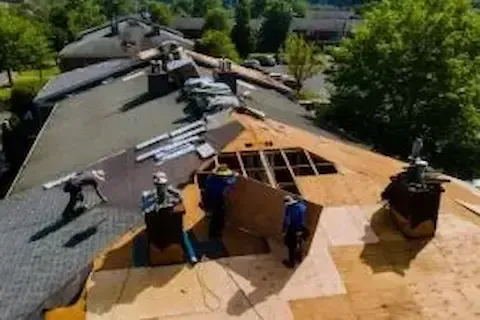
Townhome and Duplex Roofing for Coon Rapids HOA Owners
Townhome and duplex roofing in Coon Rapids presents unique challenges that single-family homeowners never face. Your attached housing unit requires specialized coordination with neighboring property owners, HOA approval processes, and careful management of shared structural elements. Understanding these complexities before starting your roofing project can save you significant time, money, and neighborhood friction.
Understanding Townhome and Duplex Roofing Systems
Townhomes and duplexes in Coon Rapids typically feature interconnected roofing systems that span multiple ownership units. Your roof deck may extend across property lines, creating shared responsibility zones that require careful coordination during replacement projects. The structural integrity of your neighbor's unit directly impacts your roofing decisions and vice versa.
Most Anoka County townhome developments built in the 1980s and 1990s feature continuous roof decking with shared trusses or rafters. This design creates cost efficiencies during construction but complicates individual unit maintenance and replacement. You cannot simply replace your portion without considering the structural impact on adjacent units.
Shared wall systems, known as party walls, extend through the roof structure in most duplexes. These walls require special flashing and waterproofing techniques that differ significantly from standard single-family applications. Improper handling of party wall interfaces creates leak points that affect both units regardless of which owner initiated the roofing work.
When you need Townhome and Multifamily Roofing services, the contractor must understand these shared-system complexities and coordinate work schedules with all affected property owners.
HOA Approval and Documentation Requirements
Homeowners associations in Coon Rapids maintain strict oversight of exterior modifications, including roofing materials and colors. Your HOA covenants likely specify approved shingle types, color palettes, and installation standards that must be followed regardless of your personal preferences. Violating these requirements can result in forced removal and reinstallation at your expense.
Submit your roofing proposal to the HOA architectural review committee at least 30 days before starting work. Include material specifications, color samples, contractor licensing information, and project timeline details. Many Coon Rapids HOAs require proof of liability insurance that specifically covers shared-structure work and neighboring property protection.
Document the existing roof condition with photographs before beginning tearoff work. This documentation protects you from liability claims related to pre-existing damage on neighboring units. Your contractor should provide detailed condition reports that clearly identify which issues existed before your project began.
Some townhome associations require simultaneous replacement of all connected units to maintain aesthetic consistency and structural integrity. This requirement can significantly impact your project timeline and budget, especially if neighboring owners are not prepared for immediate replacement.
Board timelines are the part that surprises most owners - our walkthrough of the Coon Rapids townhome roofing HOA approval process covers each stage and how long it runs.
Coordinating Multi-Unit Tear-Off and Installation
Shared roof decking requires synchronized tearoff procedures that expose multiple units simultaneously. Your contractor must coordinate with neighboring property owners to ensure proper protection of interior spaces during the vulnerable decking exposure period. Weather delays affect all connected units, not just your individual project.
Staging areas for materials and debris removal must accommodate multiple units worth of old roofing materials. Coon Rapids residential streets often lack sufficient space for large dumpsters and material deliveries, requiring creative logistics solutions and potential street permits from the city.
Shared structural elements like ridge beams and load-bearing walls require careful inspection and potential reinforcement during major roofing projects. Your contractor must assess the impact of removing old materials on the structural stability of connected units and implement temporary support measures as needed.
Installation sequencing becomes critical when working across property lines. The contractor must install underlayment, flashing, and final roofing materials in a sequence that maintains weather protection for all units throughout the project duration. Incomplete work on one unit can compromise weather protection for adjacent properties.
Managing Shared Costs and Responsibilities
Townhome roofing costs often include shared expenses for structural repairs, party wall flashing, and common area protection. Determining fair cost allocation between property owners requires clear documentation of pre-existing conditions and agreed-upon responsibility divisions before work begins.
Shared roof decking replacement represents a significant cost factor that benefits all connected units regardless of which owner initiated the project. Neighboring property owners may resist contributing to deck replacement costs even though they receive the structural benefits. Establishing cost-sharing agreements before starting work prevents disputes during the project.
Consider the long-term implications of material quality differences between connected units. Installing premium materials on your unit while neighbors choose economy options can create aesthetic inconsistencies and potential warranty complications. Coordinating material selections with neighboring owners often produces better overall results.
Insurance coverage for townhome roofing requires careful coordination between individual homeowner policies and HOA master policies. Verify coverage responsibilities for shared structural elements, temporary weather protection, and potential damage to neighboring units before beginning work.
Common Mistakes in Multi-Unit Roofing Projects
Many townhome owners attempt to treat their roofing project as an individual endeavor without properly coordinating with neighbors and HOA requirements. This approach leads to work stoppages, forced material changes, and potential liability issues that could have been avoided with proper advance planning.
Choosing contractors without multi-unit experience creates significant risk for structural damage and improper installation techniques. Single-family roofing contractors often lack the specialized knowledge required for shared-wall flashing, party wall waterproofing, and coordinated staging procedures necessary for townhome projects.
Inadequate weather protection during multi-unit tearoff exposes all connected units to potential water damage. Unlike single-family projects where only one house faces exposure risk, townhome tearoff creates vulnerability for multiple families simultaneously. Your contractor must implement comprehensive protection measures for all affected units.
Failing to document pre-existing conditions on neighboring units can result in unwarranted damage claims against your project. Take extensive photographs of adjacent rooflines, siding, and shared structural elements before work begins. This documentation provides crucial protection if disputes arise during or after the project.
If you've experienced storm damage, you might also need emergency post-storm repair help to address immediate protection needs while planning your full replacement project.
Local Coon Rapids Considerations
Coon Rapids building codes include specific requirements for multi-unit roofing projects that differ from standard residential applications. The city requires separate permits for each unit even when work occurs simultaneously across shared structures. Understanding these permitting requirements prevents delays and potential code violations.
The Anoka County climate presents unique challenges for townhome roofing due to rapid temperature fluctuations and heavy snow loads. Shared structures concentrate ice dam formation along party walls and valley areas, requiring enhanced ice barrier installation and ventilation planning specific to multi-unit configurations.
Local waste management regulations in Coon Rapids limit dumpster placement and debris removal scheduling in residential neighborhoods. Multi-unit projects generate significantly more waste than single-family replacements, requiring advance coordination with waste haulers and potential street use permits.
Coon Rapids neighborhoods with high concentrations of townhomes and duplexes often experience seasonal roofing demand surges that affect contractor availability and material pricing. Planning your project during off-peak periods can provide cost advantages and better contractor selection options.
Working with Specialized Contractors
Multi-unit roofing requires contractors with specific experience in shared-structure projects and HOA coordination. Verify that your chosen contractor maintains appropriate licensing for multi-unit work and carries insurance coverage that specifically protects neighboring properties during shared-structure projects.
Request references from previous townhome and duplex projects in the Coon Rapids area. Contact these references to verify the contractor's ability to manage neighbor coordination, HOA compliance, and shared-cost negotiations. Experience with similar projects in your specific neighborhood provides valuable insight into local requirements and potential challenges.
Ensure your contractor understands the technical requirements for party wall flashing, shared valley installations, and multi-unit ventilation systems. These specialized applications require different materials and techniques than standard single-family installations. Improper installation of shared elements affects all connected units and creates long-term liability issues.
Discuss project timeline expectations that account for neighbor coordination, weather delays, and HOA approval processes. Multi-unit projects typically take longer than single-family replacements due to additional coordination requirements and shared decision-making processes.
Long-Term Maintenance Planning
Townhome and duplex roofing requires ongoing coordination between property owners for maintenance activities like gutter cleaning, snow removal, and minor repairs. Establish maintenance agreements with neighboring owners that outline responsibilities and cost-sharing arrangements for shared roof elements.
Plan for future replacement timing coordination with adjacent units. Roofing materials installed simultaneously will likely reach replacement timing together, requiring advance planning and cost preparation. Discussing long-term replacement planning with neighbors during current projects establishes expectations for future coordination.
Document all warranty information for shared structural elements and ensure all connected property owners receive copies. Warranty claims on party walls, shared decking, and valley installations may require cooperation from multiple owners to process successfully.
Consider establishing a reserve fund with neighboring owners for future shared roofing expenses. This approach reduces the financial impact of unexpected repairs and ensures all parties can participate in necessary maintenance without delay due to individual financial constraints.
