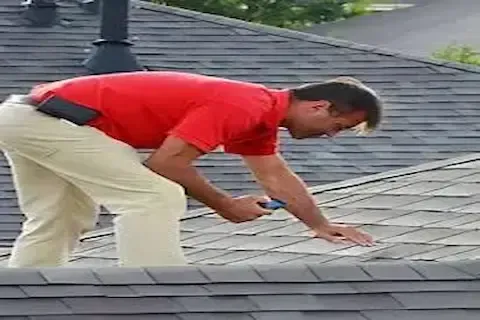
Pre Winter Roof Inspection in Coon Rapids Anoka County
A pre-winter roof inspection in Coon Rapids means a qualified roofer walks your roof before the first hard freeze, checking for loose or missing shingles, failing flashing, clogged gutters, vent gaps, and any conditions that create ice dam risk. Anoka County winters bring heavy snow loads, repeated freeze-thaw cycles, and sustained cold that turn small defects into expensive damage. Getting an inspection in October or early November gives you time to fix problems while contractors are still accessible and weather cooperates for repair work.
Step 1: Assess Shingle Condition Across the Entire Roof Surface
A thorough pre-winter inspection starts at the shingle layer. Your inspector looks for curling edges, cracked tabs, granule loss pooling in gutters, and any shingles that have lifted or shifted. In Coon Rapids, asphalt shingles age faster on south-facing slopes due to UV exposure, while north-facing slopes stay damp longer and develop moss or algae that softens the mat. Catching a handful of compromised shingles now costs far less than repairing water intrusion after ice and snow have compressed and melted over them for three months. If you want to understand what an inspection actually covers in detail, that resource breaks down every checkpoint a qualified roofer evaluates.
Step 2: Examine All Flashing Points for Gaps and Separation
Flashing is the metal trim that seals the transitions between your roof and chimneys, skylights, dormers, plumbing vents, and wall intersections. These joints expand and contract with temperature swings, and Anoka County winters are extreme enough to pull sealant loose or crack aged caulk entirely. During a pre-winter inspection, every flashing point gets checked for separation, rust, or lifted edges. Water that finds a flashing gap in December has nowhere to go except down into your decking, insulation, and ceiling framing. Resealing a flashing joint before winter is a minor repair. Replacing a water-damaged ceiling after a winter of leaking is not.
Step 3: Check Ventilation Openings and Soffit Condition
Roof ventilation controls the temperature differential between your attic and the outside air. When attic heat escapes unevenly across the roof deck, it melts snow at the ridge while the eaves stay frozen, creating the ice dam cycle that is responsible for most winter roof damage in Coon Rapids neighborhoods. Your inspector checks that ridge vents, soffit vents, and any box vents are open and unobstructed. Wasp nests, insulation pushed against soffit vents, and debris blockages are common finds at this step. Correcting airflow issues before temperatures drop is one of the highest-value actions you can take during winter prep.
Step 4: Clear and Inspect Gutters and Downspouts
Gutters full of leaves and debris from Anoka County's fall season become ice troughs once temperatures drop below freezing. That ice backs up under shingles at the eave line, which is exactly where ice dams form and water infiltrates. During a pre-winter inspection, gutters are checked for proper slope, secure attachment, and clear downspout outlets. If gutters are pulling away from the fascia, the fasteners are failing and need replacement before snow load makes the problem worse. Downspouts need to discharge water well away from your foundation so freeze-thaw cycles do not create ground heave near the structure.
Step 5: Inspect the Attic for Moisture, Staining, and Insulation Gaps
Not every inspection point is visible from the roof surface. A complete pre-winter inspection in Coon Rapids includes an attic walk-through or at minimum a hatch inspection. Your inspector looks for dark staining on the decking, condensation evidence on rafters, compressed or missing insulation batts near the eaves, and any daylight visible through gaps. Moisture in your attic before winter arrives means you are starting the season with compromised materials. It also signals that the ventilation or insulation system is not performing correctly, which will worsen with cold weather. Finding this in October means you can address it before the ground freezes and repair access becomes difficult.
Step 6: Document Findings and Schedule Repairs Before the First Snow
A professional inspection produces a written or photographic record of conditions found. This documentation serves multiple purposes. It gives you a clear repair priority list so you can address the highest-risk items first if budget is a factor. It also creates a baseline for future inspections and can support insurance claims if winter storm damage occurs. In Coon Rapids, roofing contractors book up quickly in late October and November as homeowners scramble after the first snow event. Scheduling your Roof Inspection in September or early October puts you ahead of that rush and leaves room for any needed repairs to be completed in dry conditions before temperatures make exterior work difficult or unsafe.
Why Timing Matters in Coon Rapids and Anoka County
The window for effective pre-winter roof work in this region is narrower than most homeowners expect. By mid-November, overnight lows regularly drop below the temperature threshold where roofing adhesives and sealants perform correctly. Snow can arrive in October. A roof that gets through September and October uninspected often goes untreated all winter, accumulating small damage that compounds with every storm. Coon Rapids sits in a climate zone where freeze-thaw cycles can number in the dozens over a single winter season. Each cycle stresses every existing gap, lifted shingle, and loose flashing point. An inspection now is not preventive maintenance in the abstract. It is a direct intervention against the specific damage mechanisms your roof will face in the coming months.
