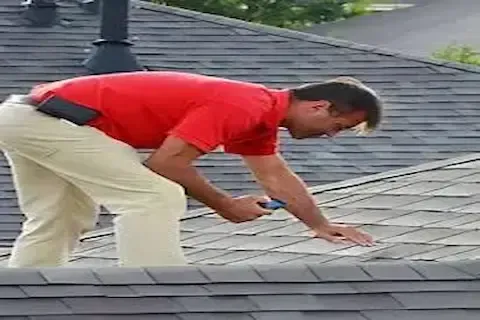
What a Coon Rapids Roof Inspection Actually Covers
A Coon Rapids roof inspection covers the full exterior roofing surface, all transition points where water can enter, and the attic space beneath. An inspector examines shingles for wear, cracking, or hail damage, checks flashing at chimneys and valleys, evaluates soffit and fascia condition, reviews gutter attachment, and assesses attic moisture and ventilation balance. The inspection ends with a written report and photo evidence of every issue found. Most inspections in Coon Rapids take 45 to 90 minutes depending on roof size and complexity.
What Does a Roof Inspector Actually Look At on the Shingles?
The shingle surface is the first area an inspector examines. In Coon Rapids, asphalt shingles are the most common roofing material, and inspectors look for granule loss, curling edges, cracking, missing tabs, and impact marks left by hail. Granule loss is especially significant in Minnesota because it exposes the asphalt mat to UV degradation, which accelerates deterioration through freeze-thaw cycles. An inspector will document the percentage of shingles showing wear and note whether damage is uniform across the roof or concentrated in specific zones. Concentrated damage on one slope often points to storm impact rather than normal aging. If you had a significant storm pass through your neighborhood, the shingle inspection is where that damage shows up most clearly.
How Does the Inspector Check Flashing and Transition Points?
Flashing is the metal material installed wherever the roof meets a vertical surface or where two roof planes intersect. Common flashing locations include chimney bases, roof-to-wall junctions, pipe boots, and valleys. In Coon Rapids, the freeze-thaw cycle puts enormous stress on flashing because metal expands and contracts with temperature swings. Inspectors look for lifting, rust, gaps in sealant, and improper overlap. A single failing pipe boot or a lifted chimney flashing can allow water to track behind walls and cause interior damage long before you see any visible staining inside the home. This section of the inspection is one of the most detail-intensive because flashing failures are responsible for a large share of roof-related water intrusion.
What Gets Checked on the Soffit, Fascia, and Gutters?
Soffit and fascia are the horizontal and vertical boards running along the eave line. Inspectors check for rot, paint failure, pest entry points, and gaps that allow moisture into the attic space. Fascia board condition also affects how securely gutters are attached. Loose gutters in Coon Rapids winters can fill with ice and pull away from the house, tearing the fascia with them. The gutter inspection itself focuses on slope, joint integrity, downspout discharge location, and whether the gutters are pulling away from the fascia. Poor gutter drainage contributes directly to ice dam formation, which is a significant concern for homes throughout Anoka County.
Does the Inspector Go Into the Attic?
Yes. Attic access is a standard part of a thorough roof inspection in Coon Rapids. The attic reveals what the exterior cannot. Inspectors look for moisture staining on the sheathing, active leaks or rust staining around fasteners, mold growth, and the condition of the insulation. They also evaluate ventilation balance, specifically whether intake vents at the soffits and exhaust vents at the ridge or upper roof are adequate for the square footage of the attic. Imbalanced ventilation is a common root cause of premature shingle aging and ice dam formation. If your attic is running too warm in winter, it melts the snow on the roof surface, which then refreezes at the colder eaves. This is the mechanical cause of ice dams, and a proper inspection identifies it before you experience another damaging winter. For a detailed look at how storm events are documented, read our spring hail damage inspection report post, which walks through what gets flagged after a major storm.
What Is Included in the Written Inspection Report?
Every professional Roof Inspection should result in a written report delivered to you after the visit. The report documents every issue found, its location on the roof, and a severity rating. It should include photographs taken during the inspection so you can see exactly what the inspector saw from the roof surface. A good report also estimates remaining service life for the current roofing system and identifies which repairs are urgent versus which can be monitored. This documentation matters if you are filing an insurance claim after a storm, selling your home, or simply budgeting for future maintenance. Insurance adjusters and home buyers both respond better to organized written reports with photo evidence than to verbal summaries.
Are There Any Areas a Standard Inspection Does Not Cover?
A standard roof inspection in Coon Rapids does not include destructive testing, removal of shingles to check underlying decking, or interior inspection of finished living spaces below the roof. If an inspector suspects significant decking damage, they will note it in the report and recommend further investigation at the time of any repair work. Skylights are generally included in the inspection scope, but solar panels require a separate evaluation because their mounting systems and electrical components fall outside a standard roofing contractor's scope. Always confirm the inspection scope before the visit so you know exactly what will and will not be covered in the report you receive.
