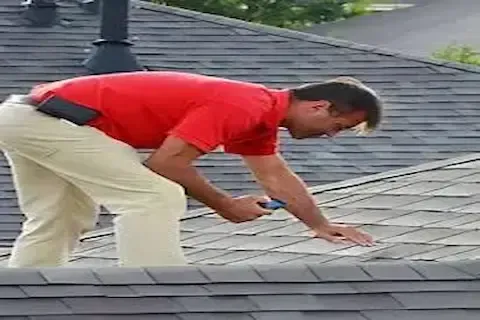
Coon Rapids Roof Inspection Checklist for 1980s Homes
Your 1980s Coon Rapids home represents a significant investment that requires proper maintenance to protect its value. The roofing systems installed during that decade are now approaching or have exceeded their expected lifespan, making regular inspections critical for preventing costly damage. Understanding what to look for during a roof inspection helps you identify potential problems before they become expensive repairs that could affect your family's comfort and safety.
Essential Exterior Inspection Points
Start your roof inspection by examining the exterior components from ground level using binoculars for safety. Look for missing, cracked, or curling shingles that indicate age-related deterioration common in 1980s installations. Asphalt shingles from this era often show granule loss, creating bare spots that expose the underlying mat to UV damage and moisture penetration.
Check all flashing around chimneys, vent penetrations, and roof valleys where different sections meet. The metal flashing installed in 1980s homes frequently develops rust spots or separates from the roofing material, creating entry points for water. Pay special attention to step flashing along walls and dormers, as these connections are particularly vulnerable to failure after decades of thermal expansion and contraction.
Examine the gutters and downspouts for proper attachment and drainage function. Clogged or damaged gutters can cause water to back up under shingles, leading to rot in the roof decking and fascia boards. Look for water stains, peeling paint, or soft spots along the roofline that suggest ongoing moisture problems requiring immediate attention.
Professional Roof Inspection services can safely access areas that are dangerous for homeowners to examine, providing comprehensive assessment of your roof's condition using specialized equipment and expertise.
Interior Attic Assessment
Your attic inspection reveals problems not visible from outside and helps identify structural issues before they worsen. Look for water stains on the underside of roof decking, which appear as dark discoloration or white mineral deposits left by evaporated moisture. These stains indicate active or past leaks that may have compromised the structural integrity of the wood decking.
Examine the insulation for signs of moisture damage, including compressed areas, mold growth, or unusual odors that suggest ongoing water intrusion. Wet insulation loses its effectiveness and can harbor dangerous mold spores that affect indoor air quality throughout your Coon Rapids home.
Check the condition of exposed rafters and decking for signs of rot, sagging, or insect damage. Carpenter ants and other pests often target moisture-damaged wood, creating additional structural concerns that require prompt professional attention. Look for small holes, sawdust, or actual insects that indicate active infestations.
Assess the ventilation system effectiveness by checking soffit vents for blockages and examining ridge or gable vents for proper airflow. Inadequate ventilation in Minnesota's climate leads to ice dam formation in winter and excessive heat buildup in summer, both of which accelerate roof deterioration and increase energy costs.
Critical Problem Areas in 1980s Construction
Homes built during the 1980s often feature specific construction methods and materials that create predictable failure points requiring special attention. The roof decking installed during this period frequently used oriented strand board (OSB) instead of plywood, which swells and delaminates when exposed to moisture, creating uneven surfaces that affect shingle performance.
Many 1980s homes in the Coon Rapids area were built with inadequate attic ventilation by today's standards, leading to premature aging of roofing materials. The building codes of that era didn't require the ventilation ratios now considered necessary for proper moisture control and temperature regulation.
The original flashing installations often used materials and techniques that seemed adequate at the time but have proven insufficient for Minnesota's harsh weather cycles. Galvanized steel flashing common in 1980s construction develops rust and fails much sooner than modern aluminum or copper alternatives.
Examine areas where additions or modifications were made after initial construction, as these connections often represent weak points where different materials and installation techniques meet. These transition zones frequently develop leaks that require specialized repair approaches to ensure long-term weather protection.
Seasonal Inspection Considerations
Minnesota's extreme seasonal variations create unique stresses on roofing systems that require timing-specific inspection approaches. Spring inspections should focus on winter damage assessment, looking for loose or missing shingles caused by ice expansion and contraction cycles that are particularly harsh on aging materials.
Summer inspections provide optimal conditions for thorough examination but should include assessment of heat-related deterioration such as cracked or brittle shingles that have become inflexible from UV exposure. The intense summer sun accelerates the aging process of 1980s roofing materials that may already be past their prime performance period.
Fall preparations should emphasize gutter cleaning and securing loose elements before winter weather arrives. This season offers the last opportunity to address minor issues before they become major problems during the freeze-thaw cycles that characterize Anoka County winters.
Winter inspections focus on ice dam prevention and interior moisture monitoring. Look for icicle formation patterns that indicate heat loss points and ventilation inadequacies that contribute to ice dam formation, a common problem in older Coon Rapids homes.
Spring inspections after a hail event follow a different checklist — see what a Coon Rapids roof inspection after spring hail damage documents for an insurer.
Professional Assessment Benefits
While homeowner inspections provide valuable ongoing monitoring, professional roof assessments offer expertise and equipment that reveal problems invisible to untrained eyes. Certified inspectors use moisture meters, thermal imaging cameras, and other specialized tools to detect hidden damage and assess structural integrity beyond surface observations.
Professional inspectors understand the specific failure patterns associated with 1980s construction methods and materials, allowing them to predict potential problems before they manifest as visible damage. Their experience with similar homes in the Coon Rapids area provides valuable context for prioritizing repairs and planning maintenance schedules.
Documentation provided by professional inspections proves invaluable for insurance claims, warranty issues, and property value assessments. Detailed reports with photographs and recommendations create a maintenance history that demonstrates proper care and helps support claims when weather damage occurs.
The safety benefits of professional inspection cannot be overstated, as roof work presents serious fall hazards that require proper equipment and training. Professional inspectors carry insurance and have the expertise to safely access all areas of your roof system without creating additional damage or safety risks.
Maintenance Planning and Prevention
Developing a comprehensive maintenance plan based on your inspection findings helps extend the life of your 1980s roofing system while managing costs effectively. Create a schedule that addresses both immediate needs and long-term replacement planning, considering the age and condition of your existing materials.
Keep detailed records of all inspections, repairs, and maintenance activities to track patterns and plan future work. This documentation helps identify recurring problems that may require systematic solutions rather than repeated patch repairs that become increasingly expensive over time.
Consider upgrading key components during routine maintenance to improve overall system performance and longevity. Modern flashing materials, improved ventilation systems, and enhanced underlayment can significantly extend the life of aging shingles while improving weather protection.
Understanding aging home roof repair work helps you make informed decisions about repair versus replacement timing, ensuring you get maximum value from your maintenance investments while avoiding emergency situations that require expensive immediate solutions.
Long-term Investment Strategy
Your 1980s Coon Rapids home's roof represents a significant component of your property's value and protection capability. Regular inspections and proactive maintenance create substantial savings compared to reactive repairs and emergency replacements that often come at the worst possible times.
Planning for eventual replacement while maximizing current system performance allows you to budget effectively and choose optimal timing for major investments. Understanding the remaining useful life of your roofing system helps you coordinate other home improvements and take advantage of favorable market conditions.
Modern roofing materials and installation techniques offer significant improvements over 1980s standards, providing better weather resistance, energy efficiency, and longevity. When replacement becomes necessary, you'll benefit from decades of technological advancement that weren't available when your home was originally constructed.
Regular professional inspections provide the information needed to make these important decisions with confidence, ensuring your investment in roof maintenance and replacement delivers maximum value and protection for your Coon Rapids home and family.
