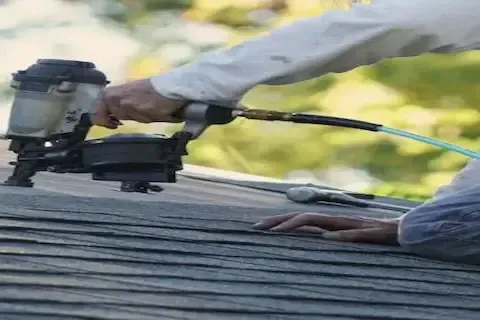
Coon Rapids Roof Repair for Aging Anoka County Homes
Aging homes in Coon Rapids present unique roofing challenges that require specialized attention and expertise. Properties built between 1975 and 1990 throughout Anoka County commonly develop specific issues related to material deterioration, structural settling, and the effects of Minnesota's harsh climate cycles. Understanding these patterns helps homeowners address problems before they escalate into costly replacements.
Common Roofing Issues in Older Coon Rapids Homes
Homes from the late 1970s and 1980s in Coon Rapids typically feature asphalt shingle construction with specific vulnerabilities. The original materials have weathered decades of Minnesota winters, spring thaws, and summer heat cycles. These conditions create predictable failure points that experienced contractors recognize immediately.
Flashing deterioration represents the most frequent issue in aging Anoka County properties. Original flashing around chimneys, vent penetrations, and roof valleys often develops rust, separation, or complete failure after 30-40 years. The constant expansion and contraction from temperature changes gradually loosens sealed connections, allowing water infiltration.
Shingle granule loss accelerates on south-facing slopes where UV exposure is most intense. This granule protection shields the asphalt substrate from direct sunlight, and its loss exposes the underlying material to rapid degradation. Many Coon Rapids homes show significant granule accumulation in gutters, indicating advanced shingle wear.
Lifted or curled shingles develop when the adhesive strips lose effectiveness over time. High winds common in the Mississippi River valley can catch these loose edges, creating progressive damage that spreads across entire roof sections. This issue particularly affects homes on exposed lots without adequate tree protection.
Roof Repair becomes essential when these aging symptoms appear together, creating multiple potential entry points for moisture damage.
Climate-Related Deterioration Patterns
Minnesota's climate places exceptional demands on roofing systems through freeze-thaw cycles that occur throughout late winter and early spring. Ice dam formation along roof edges creates standing water that penetrates beneath shingles, causing damage to decking and interior structures.
The temperature differential between heated interior spaces and cold exterior surfaces creates condensation issues in inadequately ventilated attics. This moisture accelerates wood rot in rafters, decking, and structural elements, particularly in homes with original insulation that has settled or compressed over time.
Summer heat waves exceeding 90 degrees cause asphalt shingles to expand dramatically, while sudden thunderstorms create rapid cooling that leads to contraction. This cycling gradually fatigues the roofing materials, creating micro-cracks that eventually allow water penetration.
Wind damage from severe thunderstorms affects aging shingles more severely than newer installations. The combination of reduced flexibility and weakened adhesive bonds makes older roofing systems vulnerable to uplift forces that would not affect newer materials.
Inspection Priorities for Aging Roof Systems
Professional inspections should focus on specific areas where age-related failures typically begin. Roof valleys require careful examination because they channel the highest volume of water runoff and experience accelerated wear from debris accumulation and ice formation.
Chimney flashing inspection involves checking both the step flashing along the sides and the back pan flashing where the chimney meets the roof slope. Original installations often used less durable materials or application methods that current standards have improved.
Vent penetrations including plumbing stacks, exhaust fans, and HVAC connections need individual assessment. The rubber boots or metal collars around these penetrations crack and separate over time, creating direct pathways for water entry into the home structure.
Gutter attachment points require evaluation because ice loading and debris weight can damage fascia boards and soffit areas. This hidden damage often accompanies roof problems and needs addressing during comprehensive repairs.
Interior inspection from the attic reveals water stains, wood rot, or insulation damage that indicates active or previous leaks. This assessment helps prioritize repair locations and identify problems not visible from exterior examination.
Repair Strategies for Different Problem Types
Flashing repairs often involve selective replacement rather than complete system overhaul. Modern materials including ice and water shield membrane provide superior protection compared to original installations. Strategic application of these advanced materials extends roof life significantly while addressing the most vulnerable areas.
Shingle replacement can be targeted to the most damaged sections while preserving serviceable areas. This approach balances cost considerations with performance needs, particularly when matching existing materials poses challenges due to discontinued product lines.
Ventilation improvements address condensation issues that accelerate aging in roof systems. Adding ridge vents, soffit vents, or gable vents creates proper air circulation that reduces moisture buildup and extends material life.
Structural repairs may be necessary when decking shows signs of deterioration from water damage. Replacing damaged plywood or OSB decking provides a solid foundation for new roofing materials and prevents future problems from compromised substrate.
The after storm roof repair process often reveals underlying age-related issues that storm damage has exposed or accelerated.
Material Selection Considerations
Modern roofing materials offer significant improvements over products available during the original construction period of these aging homes. Current asphalt shingles feature enhanced granule technology, improved adhesive systems, and better wind resistance ratings.
Architectural shingles provide dimensional appearance while offering superior durability compared to three-tab shingles common in 1980s construction. The thicker construction and multiple layers create better weather protection and longer service life.
Underlayment technology has advanced considerably, with synthetic materials replacing traditional felt paper. These modern underlayments resist tearing during installation, provide better water resistance, and maintain flexibility in cold temperatures.
Flashing materials now include rubberized membranes, advanced sealants, and corrosion-resistant metals that outperform original installation materials. Proper selection and installation of these components addresses the primary failure points in aging roof systems.
Cost-Benefit Analysis for Repair vs. Replacement
Homes approaching 35-40 years of age require careful evaluation to determine whether comprehensive repairs or complete replacement provides better long-term value. Multiple small repairs over short timeframes often indicate systemic aging that full replacement addresses more effectively.
Energy efficiency considerations play an important role in this decision process. Modern roofing systems with improved insulation and ventilation can significantly reduce heating and cooling costs compared to maintaining older, less efficient configurations.
Insurance implications affect the repair versus replacement decision because some policies provide better coverage for complete replacement rather than ongoing maintenance repairs. Understanding policy terms helps homeowners make informed choices about addressing aging roof issues.
Property value impact from roofing improvements varies depending on neighborhood conditions and overall home maintenance status. A new roof on a well-maintained property provides different returns compared to the same investment on a home requiring multiple other updates. Working through that comparison in order helps - our Coon Rapids repair versus replace decision framework lays out the four factors that settle it.
Professional Assessment and Planning
Qualified roofing contractors understand the specific challenges facing aging homes in Anoka County and can develop comprehensive repair strategies that address immediate needs while planning for future requirements. This expertise proves valuable in prioritizing repairs and selecting appropriate materials.
Permit requirements for significant roof repairs vary by scope of work and local building codes. Professional contractors handle permit applications and ensure compliance with current building standards, which may differ from requirements at the time of original construction.
Timing considerations for repair work include weather windows, material availability, and contractor scheduling. Planning repairs during optimal conditions ensures proper installation and reduces the risk of weather-related complications during the work process.
Warranty protection for repair work provides important security for homeowners investing in roof improvements. Understanding warranty terms and coverage helps homeowners make informed decisions about contractor selection and material choices.
Long-Term Maintenance Strategies
Regular inspection schedules help identify developing problems before they require emergency repairs. Annual inspections following severe weather events or seasonal changes allow homeowners to address minor issues proactively rather than reactively.
Gutter maintenance directly impacts roof longevity by ensuring proper water drainage and preventing ice dam formation. Clean gutters with proper pitch and adequate capacity protect roof edges and foundation areas from water damage.
Tree management around the property reduces debris accumulation on roof surfaces and minimizes damage from falling branches during storms. Strategic pruning maintains beneficial shade while eliminating hazardous overhanging limbs.
Attic ventilation monitoring ensures that improvements made during repair work continue functioning effectively. Blocked vents or damaged components can recreate the conditions that contributed to original roof problems.
Addressing roof repair needs promptly in aging Coon Rapids homes protects the substantial investment these properties represent while ensuring continued comfort and safety for residents. Professional evaluation and quality repair work extend roof life significantly while maintaining the character and value of these established neighborhood homes throughout Anoka County.
When repairs no longer keep pace with the wear, many of these homes move into a second-cycle roof replacement on 1980s homes.
