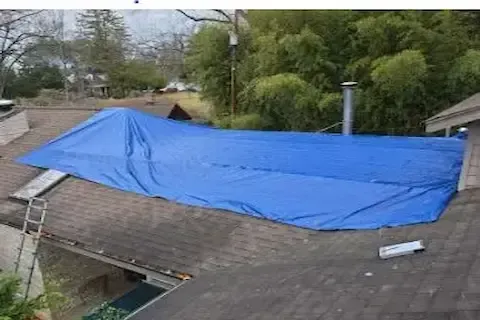
Emergency Roof Repair in Coon Rapids After a Storm Hit
When severe weather strikes Coon Rapids, homeowners face immediate threats from compromised roofing systems that can't wait until regular business hours. Storm damage creates urgent situations where water infiltration, structural exposure, and safety hazards demand immediate professional intervention to prevent catastrophic property damage and protect your family's wellbeing.
Immediate Storm Damage Assessment and Response
The first hours after storm impact determine the extent of secondary damage your Coon Rapids home will experience. Professional emergency roof repair begins with rapid damage assessment using safety protocols that protect both occupants and repair crews. Trained technicians identify compromised structural elements, active leak points, and areas requiring immediate stabilization.
Emergency response teams prioritize safety by establishing secure perimeters around damaged areas and identifying electrical hazards from downed power lines or compromised wiring. They document damage patterns that indicate wind direction, impact severity, and underlying structural integrity issues that may not be immediately visible from ground level.
Comprehensive damage assessment includes examining gutters, downspouts, and drainage systems that may be clogged with debris, creating additional water infiltration risks. Teams also evaluate chimney stability, skylight integrity, and ventilation system damage that could compromise your home's weather envelope during subsequent storms.
Emergency Tarping and Temporary Weather Protection
Professional emergency tarping provides critical temporary protection while permanent repairs are planned and executed. High-quality tarps rated for sustained wind exposure are secured using specialized fastening systems that won't create additional roof penetrations or structural stress points that could worsen existing damage.
Proper tarping techniques extend beyond simply covering damaged areas. Professional installation creates overlapping protection zones with drainage channels that direct water away from vulnerable areas while maintaining roof ventilation pathways that prevent moisture buildup and secondary mold issues.
Emergency tarping in Anoka County addresses unique regional challenges including high winds from prairie exposure and freeze-thaw cycles that can compromise temporary repairs. Crews use cold-weather installation techniques and materials designed for Minnesota's extreme temperature variations.
Board-up services complement tarping by securing compromised openings where storm debris has penetrated roof structures. Professional board-up installation uses weather-resistant materials and fastening systems that maintain structural integrity while providing temporary security against weather infiltration and unauthorized access.
For the specifics on how tarping and board-up are actually installed and what they cost, see our guide to Coon Rapids emergency tarp and board-up after storms.
Critical Leak Detection and Water Damage Prevention
Storm-related leaks often originate from multiple compromise points that create complex water infiltration patterns throughout your roofing system. Emergency repair teams use moisture detection equipment to identify active leaks and trace water pathways that may be causing damage in areas far from the original penetration point.
Immediate leak mitigation involves more than surface repairs. Professional teams address underlying causes including damaged flashing, compromised valleys, and punctured membrane systems that require specialized repair techniques to achieve lasting weather resistance.
Water extraction and drying procedures prevent secondary damage including mold growth, insulation compromise, and structural deterioration that can develop within hours of initial water infiltration. Emergency teams coordinate with restoration specialists to address interior moisture issues while focusing on exterior weather envelope restoration.
Many Coon Rapids homes built in the 1970s and 1980s feature roofing systems with limited redundancy, making rapid leak response particularly critical for preventing extensive interior damage. Emergency Roof Repair services understand these older construction vulnerabilities and adjust response protocols accordingly.
Structural Stabilization and Safety Measures
Storm damage can compromise structural roof elements including trusses, rafters, and decking that require immediate stabilization to prevent progressive failure. Emergency repair crews assess load-bearing capacity and install temporary support systems that maintain structural integrity while permanent repairs are designed.
Safety measures extend beyond the immediate repair site to protect surrounding property and neighborhood safety. Professional teams coordinate with utility companies to address electrical hazards and work with local authorities to manage traffic safety around homes with debris fields or compromised structures.
Structural stabilization techniques vary based on damage patterns and underlying construction methods common in Coon Rapids residential development. Crews familiar with local building practices can quickly identify critical support elements and implement appropriate temporary reinforcement strategies.
Common Storm Damage Patterns and Emergency Priorities
Wind damage typically creates predictable failure patterns that help emergency crews prioritize repair efforts for maximum protection. Ridge damage, valley compromises, and edge lifting represent the most common urgent repair needs that can quickly escalate without immediate intervention.
Hail damage requires different assessment and response approaches than wind damage. While hail impacts may not create immediate leaks, they can compromise shingle integrity and flashing seals in ways that lead to delayed failure during subsequent weather events.
Emergency teams recognize that storm damage rarely affects only roofing systems. Comprehensive response includes coordinating with siding repair, gutter replacement, and window restoration specialists to address related damage that could compromise temporary roof repairs.
Tree damage creates unique emergency situations requiring specialized equipment and techniques for safe debris removal without causing additional structural damage. Professional crews coordinate with certified arborists and use crane services when necessary to remove large branches or fallen trees from compromised roof structures.
Local Weather Considerations and Preparation
Coon Rapids experiences severe weather patterns including derechos, tornadic activity, and intense hailstorms that can overwhelm roofing systems designed for normal weather loads. Emergency repair teams maintain weather monitoring systems and pre-position materials and equipment based on forecasted severe weather events.
Regional weather patterns including lake effect influences from area waterways create microclimates that can intensify storm impacts in specific neighborhoods. Local emergency repair services understand these patterns and adjust response protocols based on geographic location and typical damage patterns for different areas of Coon Rapids.
Seasonal considerations affect emergency repair priorities and techniques. Summer storm response focuses on immediate water intrusion prevention, while spring and fall storms require consideration of freeze-thaw cycles that can worsen temporary repairs if not properly executed.
Understanding local weather patterns helps homeowners recognize when storm damage requires immediate professional intervention versus damage that can wait for standard repair scheduling. attic ventilation upgrades for older homes can help prepare roofing systems to better withstand severe weather impacts.
Professional Coordination and Insurance Considerations
Emergency roof repair requires immediate coordination with insurance providers to ensure proper documentation and coverage for both temporary protective measures and permanent restoration work. Professional emergency services understand insurance requirements and provide documentation that supports claim processing while protecting your coverage eligibility.
Proper emergency response includes coordinating with adjusters, providing detailed damage assessments, and maintaining records of protective measures taken to prevent additional damage. This coordination ensures that emergency repair costs are properly covered and that temporary measures don't compromise permanent repair coverage.
Professional emergency services work within insurance guidelines while prioritizing immediate property protection. They understand the balance between necessary protective measures and insurance coverage requirements, ensuring that emergency interventions support rather than complicate permanent repair processes.
Long-term Recovery and Restoration Planning
Effective emergency roof repair establishes the foundation for comprehensive restoration that addresses not only immediate damage but underlying vulnerabilities that contributed to storm impact severity. Professional teams develop restoration plans that improve weather resistance and structural integrity beyond pre-storm conditions.
Emergency repair documentation provides critical information for permanent restoration planning, including damage patterns that indicate underlying issues with ventilation, structural design, or material selection that should be addressed during comprehensive restoration.
Recovery planning considers building code updates and improved materials that can enhance your home's resistance to future severe weather events. Emergency repair teams coordinate with restoration contractors to ensure that temporary measures support rather than complicate permanent improvement projects.
Long-term recovery involves more than roof restoration. Professional emergency services help coordinate comprehensive property restoration that addresses related systems including gutters, siding, and landscaping that affect overall property protection and value recovery after major storm damage.
