Coon Rapids MN Townhome Roofing HOA Approval Process
If your Coon Rapids townhome needs a new roof, the HOA controls the timeline and the process. The board must approve the project, solicit contractor bids, schedule a coordinated tearoff window, and determine how costs are split across unit owners or covered through reserves. This process typically takes four to twelve weeks from the first inspection to the first nail pulled. Understanding each stage helps you prepare documents, avoid delays, and know what decisions you can and cannot make on your own.
Who Controls the Roofing Decision in a Coon Rapids Townhome HOA?
The board of directors holds authority over exterior improvements in most Coon Rapids townhome associations. Roofing is a common-area expense in the majority of Minnesota HOA structures, which means individual unit owners cannot hire their own roofer or select their own materials without board approval. The governing documents — the declaration, bylaws, and any architectural control guidelines — define this scope specifically. Before any work moves forward, you need to know whether your roof is classified as common area, limited common area, or owner-maintained. That classification drives the entire approval and cost structure.
What Does the HOA Approval Process Actually Look Like?
The process moves through predictable stages once a roofing need is identified. An inspection report is typically the starting point, often triggered by storm damage, a warranty expiration, or visible deterioration across multiple units. From that report, the board authorizes a bid process. In Coon Rapids, most HOAs require a minimum of two or three competitive bids. The board reviews those bids at a regular or special meeting, votes on a contractor, and then schedules the work. Depending on the association's reserve fund status, they may also vote on a special assessment at the same meeting or defer that decision until after final contractor pricing is locked. For Townhome and Multifamily Roofing in this area, contractors who are familiar with HOA coordination tend to move through the bid-and-approval stage faster because they provide documentation in the format boards already expect.
How Are Costs Shared Among Unit Owners?
Cost sharing depends on whether the HOA has adequate reserves or must levy a special assessment. Well-funded associations cover roofing through reserve accounts accumulated through monthly dues. Underfunded associations — which represent a significant portion of older Coon Rapids townhome communities along Hanson Boulevard, Foley Boulevard, and the Highway 10 corridor — may issue a special assessment that each unit owner pays as a lump sum or in installments. The amount per unit varies based on total project cost divided by unit count, though some HOA documents allow for differential assessments based on unit size or roof area. If your association has not completed a reserve study recently, the roofing project often triggers one.
What Is a Coordinated Tearoff Window and Why Does It Matter?
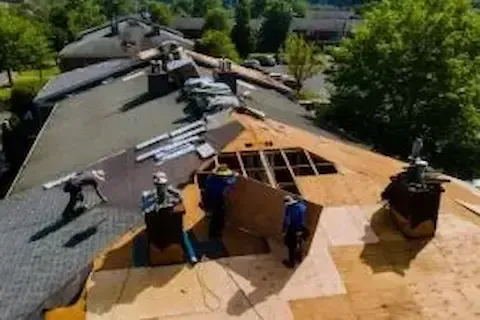
Townhome buildings share party walls and often share roof planes. Tearing off one section while leaving an adjacent section intact creates moisture intrusion risk at the transition points. Most Coon Rapids roofing contractors handle this by scheduling all connected units in a single tearoff window — typically one to three days depending on building size. This coordination requires residents to be notified in advance, vehicles moved from covered areas, and any HVAC, satellite, or solar equipment temporarily disconnected. The board usually handles resident notification, but the contractor needs confirmation that each unit is accessible on the scheduled date. Delays caused by individual unit owners refusing access can push the entire building's completion date and increase cost.
What Materials Does the HOA Get to Choose?
Material selection is a board decision, not an individual owner decision, when the roof is classified as common area. Most Coon Rapids HOA boards select shingle products in the architectural class — typically 30-year or lifetime-rated shingles in a color that matches or complements the original building appearance. Some association governing documents require that material changes receive a vote from all homeowners, not just the board. If you want upgraded impact-resistant shingles, which are particularly relevant in Anoka County given the hail frequency in the spring and early summer season, you would need to raise that during the board discussion phase rather than after a contractor is already selected. Reviewing your townhome and duplex roofing details specific to this region can help you frame that conversation with supporting data.
What Role Does Insurance Play in the HOA Process?
If the roofing need results from a covered storm event, the HOA's master insurance policy typically applies rather than individual unit policies. The board files the claim, works with the adjuster, and receives the insurance payment. That payment offsets the total project cost before any special assessment is calculated. In Coon Rapids, HOA master policies vary significantly in their hail and wind coverage thresholds, so the board's insurance agent should be part of the conversation early. Individual unit owners may also have coverage under their HO-6 policies for interior damage resulting from a failing roof, but exterior replacement almost always falls under the master policy.
How Long Does the Full Process Take in Coon Rapids?
From the point of identifying a roofing problem to completing installation, the typical Coon Rapids townhome HOA project runs six to fourteen weeks. The longest delays occur in the board vote and bid review stages, particularly if the association does not have regular meeting cadences or if quorum issues slow decision-making. Insurance claim processing adds additional time when storm damage is involved. The actual installation phase for a standard townhome building — four to twelve units — typically runs two to four days once materials are delivered and tearoff begins. Scheduling during the late spring or early fall window in Anoka County gives the best combination of weather reliability and contractor availability.
What Can Individual Unit Owners Do to Prepare?
As a unit owner in a Coon Rapids townhome association, your most effective actions happen before the board vote rather than after. Request the inspection report once it exists. Attend the board meeting where contractor bids are reviewed. Ask about reserve fund balance relative to projected cost. If a special assessment is likely, understand the payment schedule before it is finalized. If you have concerns about the selected contractor's qualifications or the material specifications being considered, raise them in writing to the board before the vote. Once a contractor is approved and a contract is signed, the scope and terms are locked. Preparation during the approval window is where individual owners have the most practical influence over a project that affects their home and their property value.
