Winter Emergency Roof Repair in Coon Rapids Anoka County
Winter emergency roof repair in Coon Rapids, Anoka County addresses urgent damage caused by ice dams, snow accumulation, and freeze-thaw cycles before your home suffers interior water damage. Because Minnesota winters are severe, contractors here use cold-weather materials and temporary weatherproofing measures — including emergency tarps and sealants rated for sub-zero conditions — to stabilize your roof until a permanent repair is possible. Acting fast when you spot a leak, cracked shingle, or ice dam is critical. Delaying even 24 to 48 hours can allow water intrusion to spread into insulation, drywall, and framing.
What causes winter roof emergencies in Coon Rapids?
The most common trigger is ice dam formation. When heat escapes through your attic, it melts snow on the upper roof. That water runs down and refreezes at the cold eaves, creating a barrier that forces water under shingles. Coon Rapids homeowners along the Mississippi River corridor and in older neighborhoods near Northdale often deal with this because of aging attic insulation that allows more heat loss. Heavy snow loads — Anoka County regularly sees storms depositing 12 or more inches — can crack or displace shingles, especially on shallow-pitch roofs. Sudden temperature swings from above freezing to single digits also cause existing small cracks to expand rapidly.
How do you identify an active winter roof leak?
Look for water stains spreading on ceilings, especially near exterior walls or in corners of upper-floor rooms. Ice forming on interior window frames is a secondary indicator that moisture is moving through the building envelope. In the attic, wet insulation, frost on the underside of the roof deck, or visible daylight through gaps all signal an active problem. If you notice any of these signs during a Minnesota cold snap, document the area with photos and call a roofing contractor immediately. Waiting for spring will allow mold to establish within days in wet insulation.
What does a winter emergency roof repair actually involve?
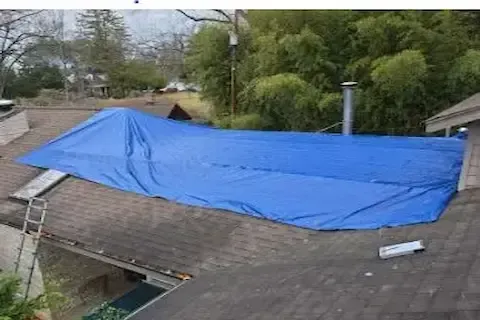
Emergency response in winter differs from warm-weather repair. A contractor will first apply an emergency tarp and board up service over the compromised area to stop immediate water intrusion. Specialized ice-and-water shield membrane, which remains flexible in cold temperatures, is used at the breach point when conditions allow adhesion. If ice dam removal is needed, low-pressure steam is the preferred method in Coon Rapids — it removes ice without damaging shingles the way pressure washing or chipping can. Temporary sealants rated for use below 40°F are applied around flashing and penetration points. A full permanent repair is then scheduled for when surface temperatures allow proper asphalt shingle installation, typically above 40°F for at least several hours.
Is it safe for a roofer to work on your roof in winter?
Professional roofing crews in Anoka County are equipped for winter work. They use cleated boots, roof jacks, and non-slip staging, and they avoid working during active precipitation or when surfaces are iced over. For you as a homeowner, do not attempt to climb onto your roof in winter conditions. Instead, from inside the attic or from ground level, document what you can see and report it accurately to your contractor. The risk of a fall on a snow-covered roof is severe, and an experienced Emergency Roof Repair team is trained to assess and secure the damage safely.
What should Coon Rapids homeowners do before the roofer arrives?
Clear the area below the damaged section of the roof on the interior — move furniture, place buckets, and protect flooring with plastic sheeting. If water is dripping from a ceiling light fixture or electrical outlet, turn off the circuit breaker for that area immediately and contact an electrician as well. Outside, if you can safely do so from ground level, use a roof rake to remove heavy snow from the lower 4 to 6 feet of your roofline to reduce ongoing ice dam growth. Do not use a ladder or climb onto the roof. Have your insurance policy number ready, as most homeowner policies in Anoka County cover sudden and accidental winter storm damage.
How does winter repair affect insurance claims in Anoka County?
Minnesota insurance adjusters recognize ice dam damage as a covered peril under most standard homeowner policies, but documentation is essential. Your contractor should provide a written damage assessment and photographs taken before any temporary repairs begin. Keep all receipts for emergency services — tarping, ice removal, and temporary sealing are typically reimbursable under your dwelling coverage. Coon Rapids residents should file their claim promptly because some policies require notification within a specific window after the damage event. Ask your contractor for a scope of work document that separates emergency stabilization costs from permanent repair estimates.
When can permanent repairs happen after a winter emergency?
In Coon Rapids and the broader Anoka County area, spring scheduling for permanent repairs typically begins in late March or April depending on conditions. Asphalt shingles require ambient temperatures above 40°F to seal properly, and adhesive strips on shingles will not bond in cold weather, leaving the roof vulnerable to wind lift. Your emergency repair holds the structure through winter, and a permanent repair appointment is usually scheduled at the time of the emergency visit. Roofing contractors in Coon Rapids tend to book up quickly once spring arrives, so locking in your appointment while the emergency crew is on-site puts you ahead of the seasonal demand surge.
